The packaging industry has long relied on traditional printing techniques like flexography and lithography. However, in recent years, digital printing systems have emerged as a transformative force, revolutionizing how packaging is produced. With advancements in technology, digital printing has significantly altered the landscape of packaging design, production efficiency, customization, and sustainability. Here’s a closer look at how digital printing is reshaping the packaging industry.
1. Enhanced Customization and Personalization
One of the most notable advantages of digital printing is its ability to offer high levels of customization and personalization. Unlike traditional printing methods, which often require creating expensive plates or molds, digital printing allows for rapid changes in design without the need for additional setup or production downtime. This means that businesses can easily produce packaging tailored to specific customer needs, such as limited-edition runs, personalized labels, or regional packaging variations.
This flexibility is particularly valuable for industries like food and beverages, cosmetics, and consumer goods, where brand differentiation and appealing packaging play a crucial role in attracting consumers. Digital printing allows companies to print unique designs on each package, from individual customer names to exclusive artwork, creating a more engaging and personalized experience.
2. Faster Turnaround Times
Digital printing significantly reduces the time required to bring a product to market. Traditional printing methods often involve lengthy preparation steps, including making plates or setting up printing presses. These processes can add days or even weeks to production timelines. In contrast, digital printing eliminates much of the setup work, allowing businesses to print packaging quickly and efficiently.
This quick turnaround time is particularly beneficial for businesses that need to respond rapidly to market trends or seasonal demands. For example, companies can produce seasonal packaging or promotional materials on demand, minimizing the risk of excess inventory or missed opportunities. As a result, businesses can stay agile and competitive in an increasingly fast-paced market.
3. Cost Efficiency for Short Runs
Digital printing systems are also cost-effective for short-run production, making them an attractive option for businesses that don't require large quantities of packaging. Traditional printing methods often come with high setup costs and minimum order requirements, making them less feasible for small or medium-sized runs. With digital printing, the cost per unit remains consistent, regardless of the volume, allowing businesses to produce small batches at a lower cost.
This scalability makes digital printing ideal for niche markets, custom orders, or packaging for limited-time offers. Companies can now test new packaging designs without committing to large print runs, reducing waste and financial risk.
4. Improved Quality and Precision
Digital printing technology has evolved significantly in recent years, offering exceptional print quality and precision. The high resolution of digital printers allows for intricate designs and fine details to be reproduced accurately on packaging materials. This ensures that colors remain vibrant, text is sharp, and graphics are crisp, enhancing the overall visual appeal of the packaging.
Moreover, digital printing enables the use of a wide range of substrates, from paperboard to plastic and flexible packaging materials, ensuring that packaging meets both aesthetic and functional requirements.
5. Sustainability Benefits
As environmental concerns continue to grow, businesses are increasingly looking for sustainable packaging solutions. Digital printing contributes to this shift by reducing waste, energy consumption, and the need for harmful chemicals used in traditional printing processes. With digital printing, there is no need for plates or large quantities of ink, reducing both material waste and the environmental impact of production.
Additionally, digital printing allows for on-demand production, which helps reduce excess inventory and the associated environmental footprint of storing or discarding unsold packaging. The ability to print only what is needed, when it's needed, is a significant step toward more sustainable packaging practices.
Conclusion
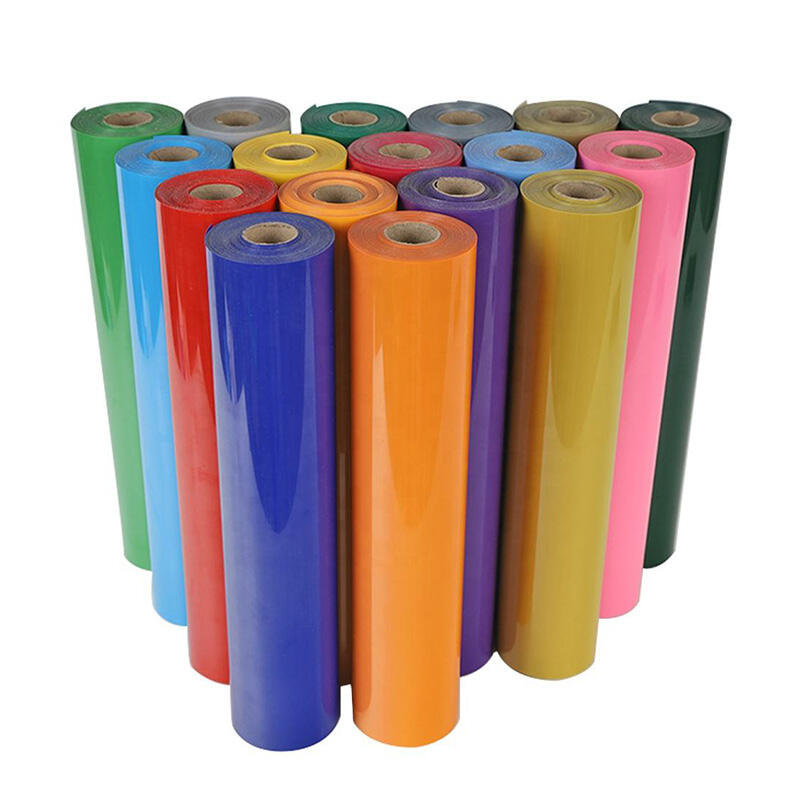
Printable Self adhesive Vinyl s are reshaping the packaging industry by offering enhanced customization, faster turnaround times, cost-effective short runs, improved print quality, and sustainability benefits. As technology continues to advance, the potential for digital printing to further revolutionize packaging production is immense. For businesses looking to stay ahead of the curve, embracing digital printing is no longer just an option—it’s a necessity for success in a competitive and environmentally-conscious market.