
Introduction
Who bears the burden when a lab chases speed over subtlety? I ask this because every method choice carries trade-offs that ripple through results, welfare, and costs. In many facilities a mouse treadmill is the daily workhorse — running repeated trials to quantify gait, endurance, or drug effects — and yet the numbers don’t tell the whole story. Recent lab audits show labs that increase daily trial counts by 40% often see data variance climb by 15–25% (simple stats, but telling). So what exactly are we asking these setups to do, and at what human and experimental price?
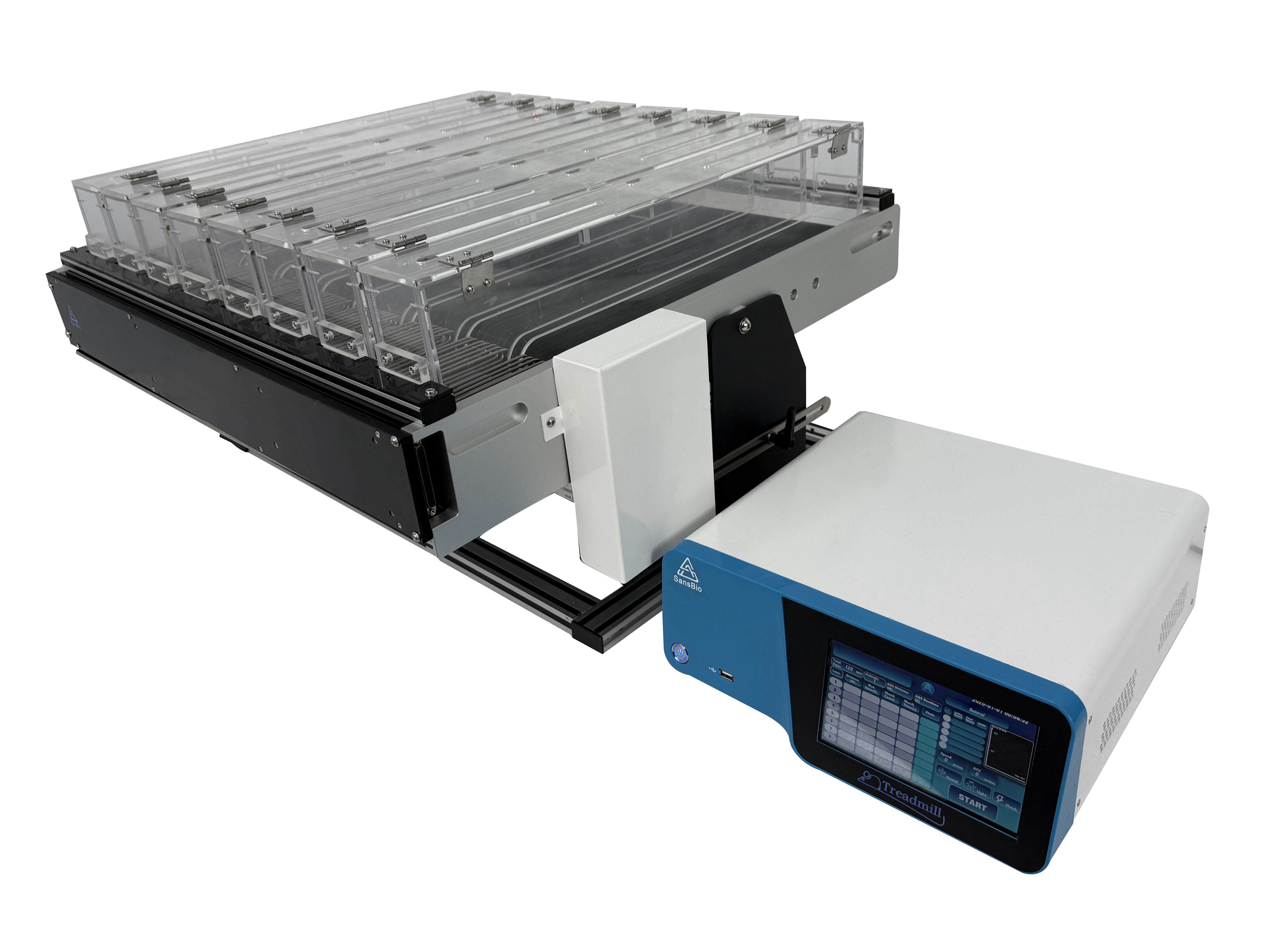
I speak here as someone who has watched protocols tighten while staff fatigue quietly grows. The scenario is familiar: teams under pressure to publish, equipment running long hours, and budgets that reward output. Diplomatically put, the calculus of productivity must include care and reproducibility — not only throughput. This piece will look at where problems tend to form, ask the right questions, and lead us toward more balanced practice. Let’s move to the core issues with clear eyes.
Hidden User Pain Points with the mice treadmill
What actually goes wrong?
When I dig into field reports and lab notes, pain points cluster around a few practical, repeatable failures. First, the human-equipment interface is often rough. Technicians struggle with calibration menus, angering both time budgets and animals. Second, maintenance intervals slip. A worn belt or misaligned velocity sensors throws off stride measures. Third, data pipelines are brittle: poor data acquisition setups mean large post-hoc cleaning sessions, and yes — that eats research time and morale.

Let me be blunt: these are not exotic problems. They stem from design assumptions that favor short-term throughput over long-term reliability. The motor controller may be tuned for raw power but not for gentle start-stop cycles that reduce stress. Power converters and noisy electronics can create inconsistent force profiles. Look, it’s simpler than you think — small mismatches in hardware and workflow scale into big daily headaches. I’ve seen teams scrap weeks of trials because an IR beam was misaligned and no one noticed until analysis. That’s costly, emotionally and materially.
Future Outlook: Case Examples and Practical Directions
Real-world Impact — What’s Next?
Looking forward, I expect labs to split into two camps: those who optimize instruments to match humane workflows, and those who keep chasing volume. From practical conversations and pilot trials, modest investments in user-friendly interfaces and better routine maintenance yield outsized returns. For instance, swapping to adaptive motor controllers that ramp more gradually reduced animal stress markers in a small cohort — and improved consistency in stride timing. In short, better engineering for day-to-day use pays back fast.
Consider a case where a lab replaced temperamental velocity sensors and reworked its data acquisition scripts. The immediate outcome was fewer discarded trials and shorter analysis time. Over months the team reported less burnout and steadier results — measurable wins. I don’t claim this solves every problem, but it points to the principle: align equipment behavior with human workflows and the animals’ needs, and you get more reliable science. — funny how that works, right?
To be useful, here are three evaluation metrics I recommend when choosing or upgrading a mice treadmill setup: 1) Usability score — how quickly can a novice set up a trial? 2) Reliability index — mean time between maintenance-triggered failures. 3) Data integrity metric — proportion of trials requiring manual correction. Apply these in your lab audits and you’ll find clearer priorities. We should measure what matters: reproducibility, welfare, and real throughput — in that order.
As someone who cares deeply about both rigour and the people who do the work, I urge teams to take small, sensible steps. Check the belts, test the sensors, and ask your vendor for clearer diagnostics. If you need a reliable source for equipment and sensible support, I’ve found BPLabLine responsive and practical in real-world lab settings.
