
Salah is the heart of a Muslim’s daily life. It is the direct connection between a believer and Allah. At the center of every unit of Salah lies Surah Fatiah, a chapter so powerful that no prayer is complete without it.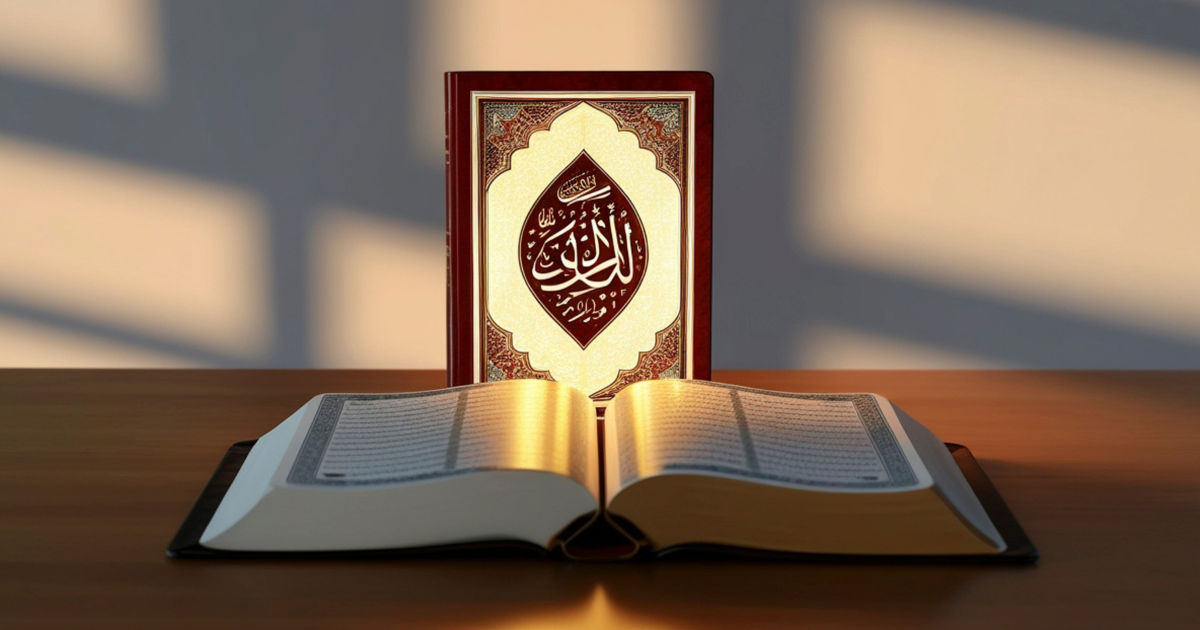
Understanding why Surah Fatiah holds such an essential place in Salah helps Muslims pray with more focus, sincerity, and meaning.
Surah Fatiah is not just a chapter of the Quran that is recited out of habit. It is a complete conversation between the servant and Allah.
It summarizes the core beliefs of Islam, teaches proper manners of worship, and reminds believers of their purpose in life.
This is why scholars often describe Surah Fatiah as the foundation of the Quran and the soul of Salah.
This comprehensive guide explores the deep spiritual, theological, and practical reasons why Surah Fatiah is so important in Salah, explained in simple language for easy understanding.
Introduction to Surah Fatiah
Surah Fatiah is the first chapter of the Holy Quran. It consists of seven short verses, yet its meaning is vast and profound. It was revealed in Makkah and is recited multiple times every day in Salah.
Every Muslim, regardless of age or background, memorizes Surah Fatiah early in life. This alone shows its importance. From the first prayer a child learns to the final prayers of a believer’s life, Surah Fatiah remains constant.
The Prophet Muhammad ﷺ emphasized that no Salah is valid without the recitation of Surah Fatiah. This makes it unique among all other Quranic chapters.
Meaning and Translation of Surah Fatiah
To understand the importance of Surah Fatiah in Salah, it is essential to understand its meaning.
Each verse of Surah Fatiah carries a powerful message:
-
Praise of Allah
-
Recognition of His mercy
-
Acceptance of Him as the Master of the Day of Judgment
-
Commitment to worship Him alone
-
A sincere request for guidance
When a believer recites Surah Fatiah, they are not just reading words. They are declaring faith, expressing humility, and asking Allah for direction in life.
Surah Fatiah as the Opening of the Quran
Surah Fatiah opens the Quran for a reason. It prepares the reader spiritually and mentally for the guidance that follows in the rest of the Quran.
Before learning laws, stories, or commands, Allah teaches believers how to approach Him. Surah Fatiah sets the tone for the entire Quran by reminding humans who Allah is and who they are.
This opening role of Surah Fatiah directly connects to its place in Salah, where it opens every rak‘ah of prayer.
The Central Role of Surah Fatiah in Salah
Salah without Surah Fatiah is incomplete. This is not a scholarly opinion but a clear teaching of the Prophet ﷺ.
Every rak‘ah of Salah begins with Surah Fatiah because it represents the core of worship. It aligns the heart, tongue, and mind toward Allah before any other recitation.
Through Surah Fatiah, the believer renews their intention, confirms their faith, and seeks guidance before continuing their prayer.
A Direct Conversation With Allah
One of the most beautiful aspects of Surah Fatiah is that it is a direct dialogue between Allah and His servant.
According to Hadith, Allah responds to each verse of Surah Fatiah when it is recited in Salah. This means that during prayer, the believer is actively engaged in a conversation with their Creator.
This makes Surah Fatiah deeply personal. It transforms Salah from a routine act into a meaningful spiritual experience.
Praise and Gratitude in Surah Fatiah
The opening verse of Surah Fatiah begins with praise:
“All praise is for Allah, Lord of all worlds.”
This teaches believers to begin their worship with gratitude. Recognizing Allah as the Sustainer of everything builds humility and trust.
In Salah, this praise helps remove arrogance and reminds the worshipper that everything they have comes from Allah alone.
Mercy and Compassion in Surah Fatiah
Surah Fatiah mentions Allah’s mercy twice in one verse. This repetition highlights how central mercy is to Islam.
By reciting Surah Fatiah in Salah, believers remind themselves that Allah’s mercy is greater than His punishment. This brings hope, comfort, and emotional balance.
For someone struggling with guilt or hardship, Surah Fatiah becomes a source of reassurance during prayer.
Acknowledging the Day of Judgment
Surah Fatiah reminds believers that Allah is the Master of the Day of Judgment.
This verse builds accountability. When recited in Salah, it encourages honesty, justice, and moral responsibility in daily life.
The reminder of the hereafter gives Salah a serious and meaningful purpose beyond worldly concerns.
Commitment to Worship Allah Alone
A key verse in Surah Fatiah declares exclusive worship and dependence on Allah.
This verse represents the essence of Tawheed. It teaches Muslims to rely on Allah alone for help, guidance, and success.
In Salah, this commitment strengthens faith and removes reliance on false sources of power or control.
Seeking Guidance Through Surah Fatiah
The final part of Surah Fatiah is a sincere prayer for guidance.
Every time a believer recites Surah Fatiah, they are asking Allah to guide them to the straight path. This shows that guidance is not a one-time request but a daily need.
This makes Surah Fatiah a living supplication that stays relevant throughout life.
The Straight Path Explained in Surah Fatiah
The straight path mentioned in Surah Fatiah refers to the way of those who earned Allah’s pleasure.
This teaches Muslims to follow righteous examples and avoid paths that lead to misguidance.
In Salah, this reminder helps believers reflect on their actions and intentions.
Why Surah Fatiah Is Called the Mother of the Quran
Scholars call Surah Fatiah the Mother of the Quran because it summarizes the Quran’s message.
It includes belief in Allah, worship, guidance, accountability, and mercy—all major Quranic themes.
This is why Surah Fatiah holds a central position in Salah and daily worship.
Spiritual Focus and Khushu Through Surah Fatiah
Khushu, or deep concentration, is essential in Salah. Surah Fatiah helps achieve this by guiding the mind through structured reflection.
Each verse naturally leads the worshipper from praise to humility to supplication.
Understanding Surah Fatiah increases focus and prevents Salah from becoming mechanical.
Teaching Dependence and Humility
By reciting Surah Fatiah, believers admit their dependence on Allah.
This humility strengthens character and reduces arrogance. It reminds worshippers that success and guidance come only from Allah.
Such lessons, repeated daily through Surah Fatiah, shape a believer’s personality.
Unity of Muslims Through Surah Fatiah
Every Muslim recites Surah Fatiah in Salah, regardless of language or culture.
This shared recitation creates unity and equality in worship. Whether praying alone or in congregation, Surah Fatiah connects all believers.
Educational Value for Young Muslims
For students and young Muslims, Surah Fatiah teaches core Islamic beliefs in a simple format.
Its repetition in Salah ensures lifelong learning and reflection.
This makes Surah Fatiah a foundational tool for Islamic education.
Psychological Comfort in Surah Fatiah
The words of Surah Fatiah bring calm and emotional strength.
Reciting it in Salah helps reduce anxiety, fear, and sadness. The reminder of Allah’s mercy and guidance offers inner peace.
Surah Fatiah and Daily Life Guidance
The lessons of Surah Fatiah extend beyond Salah.
Its themes encourage honesty, patience, gratitude, and moral clarity in everyday decisions.
This makes Surah Fatiah a guide for life, not just prayer.
Common Mistakes While Reciting Surah Fatiah
Many Muslims recite Surah Fatiah without reflecting on its meaning.
Rushing or mispronunciation can reduce focus. Learning correct pronunciation and understanding improves the quality of Salah.
How to Improve Connection With Surah Fatiah
To strengthen your Salah:
-
Learn the meaning of Surah Fatiah
-
Recite slowly and thoughtfully
-
Reflect on each verse
-
Remember you are speaking directly to Allah
These steps deepen the impact of Surah Fatiah in prayer.
Conclusion:
Surah Fatiah is not just a required recitation; it is the heart of Salah. It teaches praise, humility, worship, dependence, and hope in a few powerful verses.
Its placement in every rak‘ah shows its unmatched importance. Through Surah Fatiah, Salah becomes a living conversation with Allah.
By understanding and reflecting on Surah Fatiah, believers can transform their prayers from routine actions into meaningful spiritual moments.
The more sincerely Surah Fatiah is recited, the stronger the connection with Allah becomes. This is why Surah Fatiah will always remain the foundation of Salah and the soul of Islamic worship.
