
When it comes to moisture control, few materials are as widely used and misunderstood as silica gel. You see those small packets in shoe boxes, medicine bottles, electronics, and food packaging, often marked with warnings not to eat.
Among the different types available, Blue Silica Gel stands out as one of the most discussed and debated options. Many people wonder how it differs from white silica gel, which one is safer, and which one performs better.
In this comprehensive guide, we will clearly explain everything you need to know about blue versus white silica gel. This article is written in simple language for a 12th-grade audience, with short paragraphs that are easy to read and understand. We will explore how silica gel works, the science behind the color difference, safety concerns, applications, environmental impact, and how to choose the right type for your needs. The focus will remain clear, practical, and informative throughout.
What Is Silica Gel?
Silica gel is a porous, granular form of silicon dioxide. It is made synthetically from sodium silicate and sulfuric acid. Despite the name, it is not actually a gel but a solid with a structure full of tiny pores.
These pores allow silica gel to absorb and hold moisture from the air. This makes it an excellent desiccant, which means a substance that removes humidity from its surroundings. Silica gel does not dissolve in water and does not swell like many other drying agents.
Because of these properties, silica gel is widely used to protect products from moisture damage during storage and transport.
Why Silica Gel Comes in Different Colors
Silica gel beads can be white, clear, blue, orange, or green. The color is not just for appearance. It usually indicates whether a moisture indicator has been added.
White silica gel is typically pure silica gel without any indicator. It absorbs moisture but does not change color.
Blue Silica Gel, on the other hand, contains a moisture indicator that changes color as it absorbs water. This color change helps users easily see when the silica gel is saturated and needs replacement or regeneration.
The color difference is one of the main reasons people compare blue and white silica gel.
Understanding Blue Silica Gel
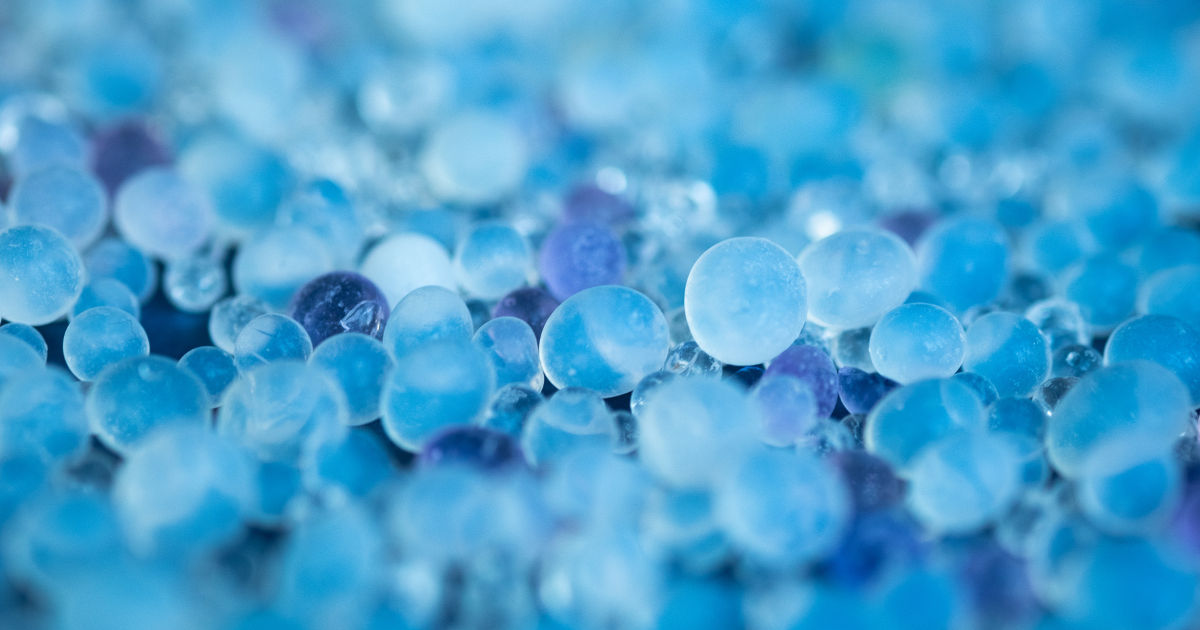
Blue Silica Gel is a type of indicating silica gel. It is blue when dry and gradually changes color as it absorbs moisture from the air. Depending on the formulation, it may turn pink, purple, or light blue when saturated.
The blue color comes from a chemical indicator added to the silica gel beads. Traditionally, this indicator was cobalt chloride. Cobalt chloride is highly sensitive to moisture and changes color clearly, making it very effective as a visual signal.
Because of this feature, Blue Silica Gel is often used in applications where moisture monitoring is critical.
Understanding White Silica Gel
White silica gel is non-indicating. It looks clear or milky white and remains the same color whether it is dry or saturated with moisture.
Since there is no visual indicator, users cannot easily tell when white silica gel has reached its absorption limit. This means it must be replaced or regenerated based on time or environmental conditions rather than visual cues.
White silica gel is valued for its simplicity, lower cost, and fewer chemical additives.
How Moisture Absorption Works
Silica gel absorbs moisture through a process called adsorption, not absorption. This means water molecules stick to the surface of the silica gel rather than dissolving into it.
The internal structure of silica gel contains millions of microscopic pores. These pores greatly increase the surface area, allowing silica gel to capture and hold large amounts of water vapor.
Both blue and white silica gel use the same physical process. The difference lies in how the moisture level is indicated, not how moisture is captured.
Key Difference Between Blue and White Silica Gel
The most important difference between blue and white silica gel is the presence of a moisture indicator.
Blue Silica Gel provides a visible color change, making it easy to monitor moisture levels. White silica gel does not offer this feature.
Another difference is chemical composition. Blue silica gel may contain cobalt chloride or alternative indicators, while white silica gel is usually chemically inert and additive-free.
Cost, safety, and environmental considerations also vary between the two types.
Advantages of Blue Silica Gel
One major advantage of Blue Silica Gel is convenience. The color change tells you exactly when the gel is saturated.
This feature reduces guesswork and improves moisture control. It is especially useful in industrial, laboratory, and storage environments where precise humidity management is required.
Blue silica gel can also be regenerated and reused. Once saturated, it can be dried in an oven at a controlled temperature to restore its original color and effectiveness.
For people who need quick visual confirmation, Blue Silica Gel offers a practical solution.
Disadvantages of Blue Silica Gel
Despite its benefits, Blue Silica Gel has some drawbacks.
Traditional blue silica gel contains cobalt chloride, which is classified as toxic and potentially carcinogenic. Prolonged exposure or ingestion can be harmful.
Because of these health concerns, the use of cobalt-based Blue Silica Gel is restricted or banned in some countries, especially for consumer and food-related applications.
It is also more expensive than white silica gel due to the added indicator and regulatory requirements.
Advantages of White Silica Gel
White silica gel is chemically stable and non-toxic. It does not contain heavy metals or hazardous indicators.
This makes it suitable for food packaging, pharmaceuticals, and medical devices where safety is critical.
White silica gel is also widely available and affordable. Its simplicity makes it a popular choice for general moisture control needs.
Because it lacks color-changing additives, it has a lower environmental impact compared to traditional Blue Silica Gel.
Disadvantages of White Silica Gel
The main disadvantage of white silica gel is the lack of visual feedback.
Users cannot easily tell when it is saturated. This can lead to either premature replacement or overuse beyond its effective capacity.
In environments where moisture levels fluctuate frequently, this limitation can reduce efficiency unless the gel is replaced regularly.
Safety Concerns Explained Clearly
Safety is one of the biggest reasons people compare blue and white silica gel.
Blue Silica Gel containing cobalt chloride poses health risks if inhaled, ingested, or handled improperly. While it is safe when sealed in packets and used correctly, it is not recommended for direct consumer exposure.
White silica gel is considered non-toxic and safe for most applications. However, it is still not edible and should be kept away from children and pets.
Modern alternatives to cobalt-based Blue Silica Gel now use safer indicators, but they may appear orange or green instead of blue.
Environmental Impact of Silica Gel Types
Silica gel itself is not biodegradable, but it is inert and does not release harmful substances into the environment.
The environmental concern mainly comes from the indicator used in Blue Silica Gel. Cobalt compounds can be harmful if disposed of improperly.
White silica gel has a smaller environmental footprint because it does not contain toxic additives.
Reusable and regenerable silica gel, regardless of color, helps reduce waste when handled responsibly.
Applications of Blue Silica Gel
Blue Silica Gel is commonly used in industrial settings, such as:
Electronics storage and shipping
Laboratory equipment
Optical instruments
Military and aerospace components
Industrial machinery storage
In these environments, visual moisture monitoring is essential. The color change helps technicians quickly assess humidity levels without special instruments.
Applications of White Silica Gel
White silica gel is used in a wide range of everyday and sensitive applications, including:
Food packaging
Pharmaceutical bottles
Medical equipment
Clothing and leather storage
General household moisture control
Its non-toxic nature makes it suitable for areas where safety regulations are strict.
Regeneration and Reuse
Both blue and white silica gel can be regenerated through heating.
When silica gel absorbs moisture, it can be dried in an oven at temperatures between 100°C and 120°C. This drives out the absorbed water and restores its drying capacity.
With Blue Silica Gel, regeneration is easy to confirm visually because the beads return to their original blue color.
White silica gel requires careful timing or weight measurement to ensure proper regeneration.
How to Choose Between Blue and White Silica Gel
Choosing the right type depends on your specific needs.
If you need clear visual monitoring and work in a controlled industrial environment, Blue Silica Gel may be the better option.
If safety, cost, and regulatory compliance are your priorities, white silica gel is usually the smarter choice.
Always consider where and how the silica gel will be used before making a decision.
Common Myths About Blue Silica Gel
One common myth is that Blue Silica Gel absorbs more moisture than white silica gel. In reality, both types have similar moisture adsorption capacities.
Another misconception is that blue silica gel is always unsafe. While cobalt-based versions have risks, newer formulations use safer indicators.
Understanding the facts helps avoid unnecessary fear or misuse.
Regulations and Restrictions Worldwide
Many countries have placed restrictions on cobalt-based Blue Silica Gel due to health concerns.
In the European Union, cobalt chloride is classified as a substance of very high concern. This has led to increased use of alternative indicating silica gels.
White silica gel remains widely accepted across global markets without major restrictions.
Storage and Handling Best Practices
Store silica gel in airtight containers when not in use to maintain effectiveness.
Avoid direct contact with skin when handling Blue Silica Gel, especially if it contains cobalt.
Keep all silica gel packets away from children and clearly label containers to prevent accidental ingestion.
Proper storage extends the life and performance of both types.
Blue Silica Gel in Modern Industries
Despite regulatory changes, Blue Silica Gel continues to play a role in industries that require precise moisture control.
Many manufacturers now use modified indicators that reduce health risks while maintaining color-changing benefits.
This evolution shows how demand for performance and safety can coexist through innovation.
Future of Silica Gel Technology
The future of silica gel is moving toward safer, eco-friendly indicators and improved regeneration techniques.
Research continues into biodegradable desiccants and non-toxic indicators that can replace traditional Blue Silica Gel formulations.
As regulations tighten, the industry is adapting to meet both performance and safety standards.
Conclusion
In conclusion, understanding the difference between blue and white silica gel is essential for choosing the right moisture control solution. Blue Silica Gel offers the clear advantage of visual moisture indication, making it ideal for professional and industrial environments where monitoring is critical. However, traditional formulations raise safety and environmental concerns due to cobalt chloride.
White silica gel provides a safer, simpler, and more affordable option for everyday and sensitive applications. While it lacks a color-changing feature, its non-toxic nature and wide acceptance make it highly reliable.
Both types perform the same core function of moisture adsorption. The choice ultimately depends on your priorities, whether they are visibility, safety, cost, or regulatory compliance. By understanding how each type works and where it is best used, you can make an informed decision that protects your products and meets your needs effectively.
