
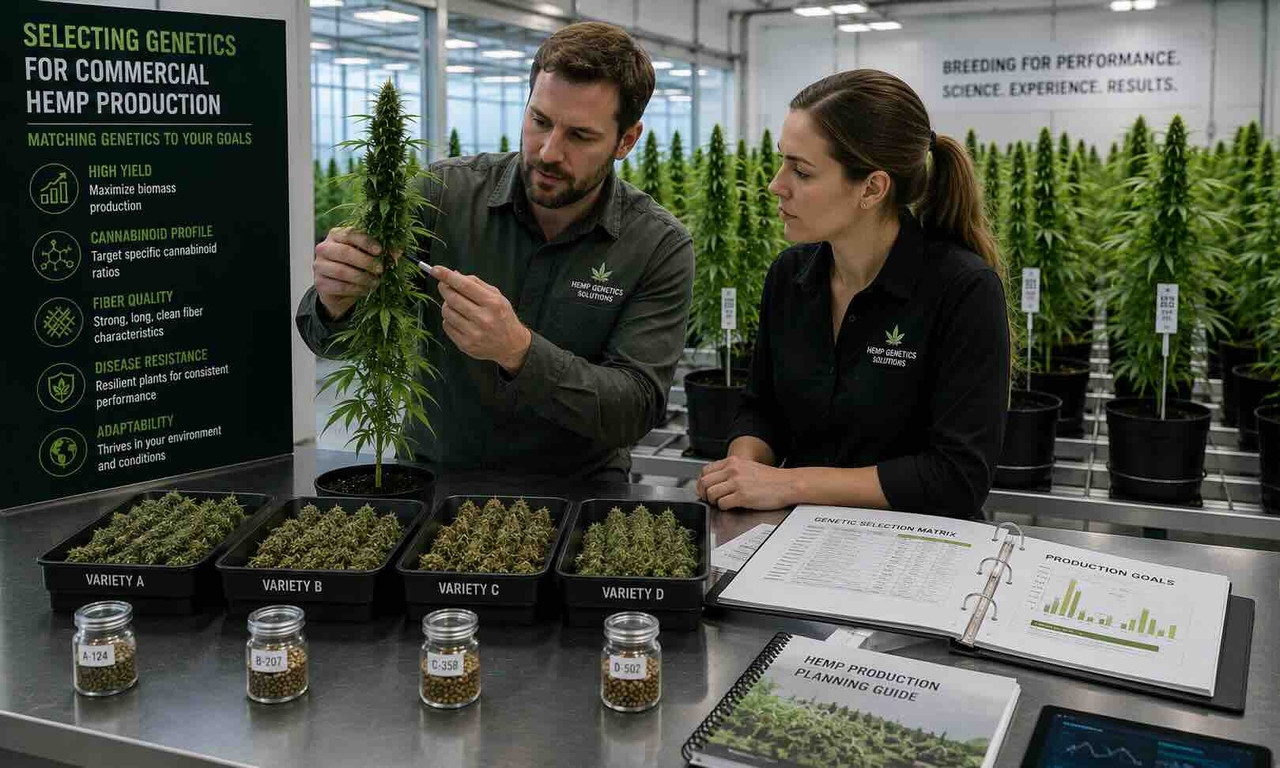
The cannabis industry has undergone a remarkable transformation over the past three decades. One of the biggest drivers behind this evolution has been the rise of polyhybrid genetics. While early cannabis cultivation often relied on relatively pure landrace varieties or simple first-generation hybrids, today’s market is dominated by complex polyhybrid cultivars that combine genetics from multiple ancestral lines.
Polyhybrid breeding has allowed breeders to create plants with improved vigor, unique terpene profiles, enhanced cannabinoid production, and highly specialized growth characteristics. As consumer preferences evolved and cultivation techniques advanced, polyhybrid genetics became one of the most influential forces shaping modern cannabis.
Many modern cultivars available through https://www.ministryofcannabis.com/it/ are the result of decades of breeding work involving multiple generations of hybridization, selection, and stabilization.
What Are Polyhybrid Cannabis Genetics?
A polyhybrid is a cannabis variety created by combining multiple hybrid lineages rather than crossing two relatively pure parental lines. Instead of inheriting traits from only two primary genetic sources, polyhybrids may contain genetics originating from several regions, breeding projects, and generations of selection.
For example, a modern cultivar may contain genetic contributions from Afghan, Thai, Colombian, Mexican, and Skunk-derived ancestors. Through repeated crossing and selection, breeders can combine desirable characteristics from many sources into a single cultivar.
This approach gives breeders tremendous flexibility. Instead of being limited by the characteristics of a single lineage, they can select from a much larger pool of traits, allowing them to create plants that meet specific cultivation or consumer goals.
The Shift Away from Landrace Dominance
In the early years of cannabis breeding, growers relied heavily on landrace varieties. These populations developed naturally over long periods in specific geographic regions and often displayed unique adaptations to local environments.
While landrace genetics remain valuable, they also have limitations. Many produce lower yields than modern hybrids, exhibit longer flowering times, or lack the cannabinoid concentrations demanded by today’s market.
The introduction of hybrid breeding allowed cultivators to combine desirable characteristics from multiple populations. As breeding techniques improved, breeders moved beyond simple hybrids and began developing increasingly sophisticated polyhybrid lines.
This transition dramatically expanded the range of available genetics and helped create the diverse cannabis marketplace seen today.
How Polyhybrids Improved Cultivation Performance
One major reason for the popularity of polyhybrid genetics is their potential for improved cultivation performance.
Breeders can select for traits such as:
- Faster growth rates
- Improved vigor
- Enhanced resistance to environmental stress
- Greater uniformity
- Higher resin production
- Shorter flowering periods
- Increased yield potential
By combining multiple elite lineages, breeders can create cultivars that perform well across a wider range of growing conditions. This adaptability has been particularly important as cannabis cultivation expanded globally.
Modern genetic research continues to improve understanding of cannabis diversity and breeding potential, providing breeders with valuable information for future cultivar development. Reference research can be found at https://www.ncbi.nlm.nih.gov/pmc/articles/PMC7605027/.
The Terpene Revolution
Perhaps no area has been impacted more by polyhybrid breeding than terpene development.
Consumers today often evaluate cannabis based on aroma and flavor as much as cannabinoid content. Breeders have responded by combining diverse genetic backgrounds to create increasingly complex terpene profiles.
Modern polyhybrids can display combinations of citrus, berry, pine, tropical fruit, fuel, spice, floral, and earthy aromas within a single cultivar. These unique sensory experiences have become major selling points in competitive markets.
As a result, breeders frequently prioritize terpene diversity alongside potency and yield when developing new varieties.
Market Impact and Future Trends
The rise of polyhybrid genetics has fundamentally changed consumer expectations. Today’s growers and consumers expect cultivars that deliver distinctive aromas, attractive flower structure, strong resin production, and reliable performance.
This demand has encouraged breeders to continue experimenting with increasingly complex genetic combinations. Modern breeding programs often involve extensive phenotype hunting, stabilization projects, and multi-generational selection programs designed to identify exceptional individuals within large populations.
At the same time, advances in genomic analysis are helping breeders better understand inheritance patterns and trait expression. These tools may eventually allow more targeted breeding decisions while reducing the time required to develop new cultivars.
Despite these technological advances, successful polyhybrid breeding still depends heavily on traditional selection methods. Observation, record keeping, patience, and extensive testing remain essential components of every serious breeding program.
The future cannabis market will likely continue to be shaped by polyhybrid genetics. As breeders combine established elite lines with emerging cultivars, new generations of cannabis will offer even greater diversity, specialization, and consistency. For growers, this means more options than ever before. For consumers, it means access to an expanding range of unique experiences that would have been unimaginable only a few decades ago.
From landrace origins to modern polyhybrid innovation, cannabis breeding has transformed the industry. The widespread adoption of polyhybrid genetics has increased diversity, improved cultivation performance, and expanded the possibilities available to breeders worldwide. As research and breeding technology continue to evolve, polyhybrids will remain at the center of cannabis innovation for years to come.
