
Choosing the right place for large vertical wall art can completely transform the look and feeling of a room. A tall artwork piece is not just a decoration; it creates a visual statement, adds personality, and can influence how spacious and balanced a space appears.
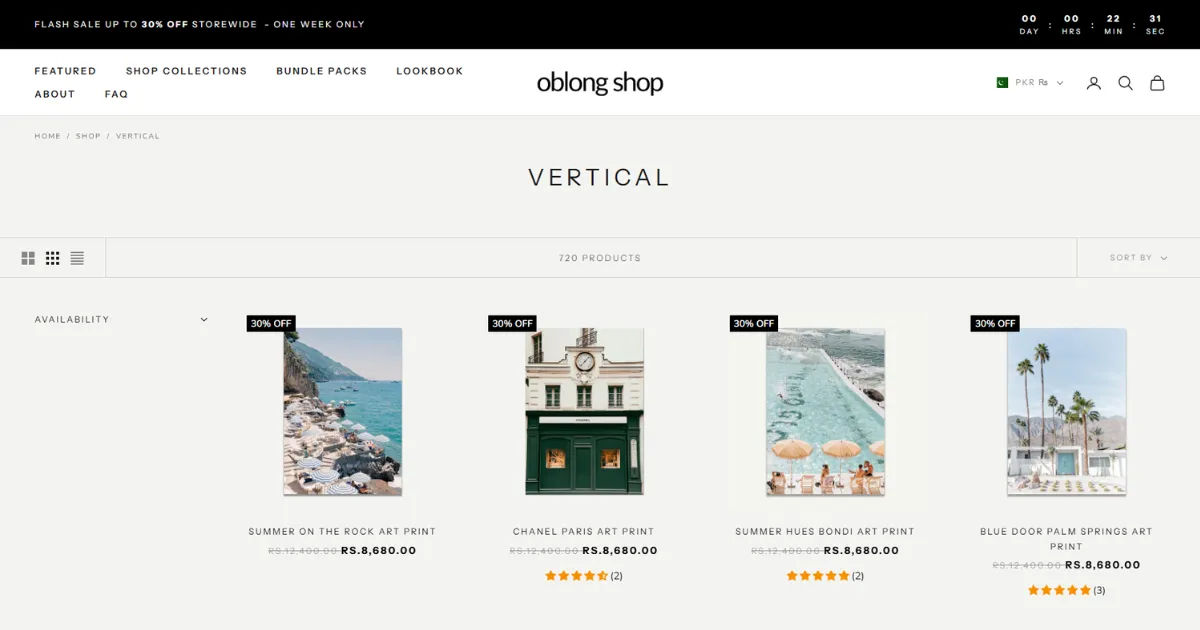
When displayed correctly, it draws attention, enhances interior design, and gives empty walls a sophisticated appearance.Many homeowners and designers use vertical artwork to highlight specific areas because its height naturally guides the eyes upward. However, placement plays an important role in achieving the best effect.
The wrong location can make a room feel crowded, while the right spot can create harmony and elegance.Understanding where to display large vertical wall art helps you make better design choices and ensures that your artwork becomes a meaningful part of your interior.
Why Placement Matters for Vertical Wall Art
Wall art is more than something placed on a blank surface. Its position affects the entire atmosphere of a room. A large vertical piece can become the focal point, but only when it is positioned thoughtfully.
The size, height, furniture arrangement, lighting, and overall room design should all be considered before selecting a location. A carefully placed artwork piece can make a small room appear taller, create balance in a large area, and add character to simple spaces.
Unlike smaller decorations, large artwork requires enough surrounding space to breathe. It should not compete with too many other decorative elements.
Best Places to Display Large Vertical Wall Art
There are several areas in a home where tall artwork can create a strong visual impact. The ideal location depends on the purpose of the room and the existing interior style.
Living Room Walls
The living room is one of the most popular locations for displaying statement artwork. Since this area is often where families gather and guests spend time, a striking wall piece can immediately improve the atmosphere.
A large vertical wall art piece works especially well above a sofa, beside a fireplace, or on a large empty wall. When placed above furniture, the artwork should maintain proper spacing so the room feels balanced rather than crowded.
For rooms with high ceilings, vertical artwork can emphasize height and make the space feel more elegant. It creates a natural connection between the floor, furniture, and upper wall areas.
Entryway and Hallway Areas
The entryway creates the first impression of a home. A carefully selected artwork piece near the entrance can make the area feel welcoming and stylish.
Many hallways have narrow walls that are difficult to decorate. A vertical design is often a better choice than a wide horizontal piece because it uses limited wall space efficiently.
A tall artwork arrangement can guide movement through the hallway while adding color, texture, and personality. It prevents these transitional areas from feeling empty or unfinished.
Bedroom Walls
Bedrooms benefit from artwork that creates a calm and comfortable environment. A large vertical wall art piece can be displayed above a bedside table, near a reading corner, or on an empty wall opposite the bed.
For a relaxing atmosphere, choose artwork with colors and designs that complement the bedding, furniture, and lighting. Soft patterns, natural themes, or abstract designs can create a peaceful mood.
The artwork should enhance the room rather than overpower it. Since bedrooms are personal spaces, the selected piece should reflect individual taste and style.
Dining Room Spaces
Dining areas are another excellent location for tall artwork. A vertical piece can add sophistication and create a more complete dining experience.
When displayed near a dining table, artwork should complement the room's color scheme and furniture style. Large walls can benefit from one statement piece, while smaller spaces may look better with a carefully arranged collection.
The artwork can also become a conversation starter during meals and gatherings.
Office and Workspace Areas
A workspace should feel inspiring and organized. Adding artwork can improve the visual appeal of an office and make the environment more enjoyable.
A large vertical wall art piece behind a desk or on an empty side wall can create a professional appearance. Abstract designs, motivational themes, or artistic landscapes can add creativity without creating distractions.
In commercial offices, artwork placement can also influence how clients and visitors perceive the workspace.
Staircase Walls
Staircase walls are often overlooked, yet they provide excellent opportunities for vertical decoration. Their natural height and structure make them ideal for tall artwork.
A vertical piece placed along a staircase can create a smooth visual transition between different levels of the home. It can also make an otherwise plain wall become an attractive design feature.
Proper lighting is especially important in staircase areas because these spaces may receive limited natural light.
How to Choose the Right Wall for Large Artwork
Selecting the correct wall is just as important as choosing the artwork itself. The wall should provide enough space and allow the piece to stand out.
Consider walls that are visible when entering the room. These areas naturally attract attention and allow the artwork to become a focal point.
Avoid placing large artwork in areas where it will be hidden behind doors, furniture, or excessive decorations. The purpose of a statement piece is to be noticed.
Consider Room Size and Proportion
The size of the room should influence artwork placement. A large room with high ceilings can usually handle a bigger piece, while smaller rooms require careful positioning.
A vertical artwork piece can make a narrow room appear taller, but an oversized design in a small area may feel overwhelming. Balance is the key factor.
Measure the available wall space before installation. This prevents choosing artwork that looks too small or too dominant for the area.
Match Artwork With Interior Style
Artwork should connect with the existing design style of the room. Modern interiors may look best with abstract or minimalist designs, while traditional spaces may benefit from classic patterns or detailed artwork.
Colors should also work with the room's existing palette. The artwork does not need to match everything perfectly, but it should create visual harmony.
A carefully selected large vertical wall art piece can bring together different design elements and create a finished appearance.
Lighting and Visibility Tips
Lighting can dramatically improve the appearance of wall artwork. Natural light can highlight colors and textures, while artificial lighting can create a focused display effect.
Avoid placing artwork where direct sunlight may damage the materials over time. Instead, use suitable lighting options such as wall lights or adjustable spotlights.
The artwork should be visible from common viewing areas. Proper lighting ensures that the details and artistic qualities remain noticeable throughout the day.
Common Mistakes to Avoid
One common mistake is hanging artwork too high. The center of the piece should generally be near eye level for comfortable viewing.
Another mistake is choosing artwork without considering surrounding furniture. A beautiful piece can lose its impact if it does not relate to the room layout.
Overcrowding the wall with multiple decorations can also reduce the importance of the main artwork. Sometimes a single statement piece creates a stronger effect than several smaller items.
Creating a Balanced Interior With Vertical Artwork
The best interiors achieve balance between furniture, colors, textures, and decorations. Artwork should feel like a natural part of the room instead of an addition placed at the last moment.
A well-positioned large vertical wall art piece can add height, elegance, and emotional value to a space. Whether used in a home, office, hallway, or public area, the right placement allows the artwork to reach its full potential.
Think about the room's purpose, available wall space, lighting conditions, and overall design theme before making a final decision.
Conclusion
Displaying artwork successfully requires more than simply choosing an attractive design. The location, proportion, lighting, and relationship with surrounding elements all influence the final result.
The best places for large vertical wall art include living rooms, entryways, bedrooms, dining areas, offices, and staircase walls. Each location offers unique opportunities to enhance the atmosphere and create a memorable visual experience.
When chosen and placed carefully, vertical artwork can transform ordinary walls into impressive design features. It adds personality, improves balance, and helps create a space that feels complete and thoughtfully designed.
Whether your style is modern, traditional, minimalist, or artistic, selecting the right display location ensures your artwork becomes a lasting part of your interior environment.
